





Wonen in Spanje: jouw complete gids voor het expatleven in 2026

The allure of Mediterranean sunshine, vibrant culture, and an enviable quality of life continues to draw thousands of international residents to the Iberian Peninsula each year. Living Spain has become increasingly attractive for those seeking a balanced lifestyle that combines modern amenities with traditional charm, particularly along the stunning coastal regions of Costa Cálida and Costa Blanca. Whether you're considering a permanent move, seeking a retirement destination, or exploring investment opportunities, understanding the practicalities and possibilities of Spanish residency is essential for making informed decisions about your future.
Why Spain Ranks Among Europe's Top Expat Destinations
Spain's reputation as an exceptional place for international residents is well-documented. According to InterNations' Expat Insider 2022 survey, the country ranks at the top of the Quality of Life Index, with expats expressing particular satisfaction with leisure options, climate, and healthcare. These aren't merely subjective impressions-they reflect the tangible benefits that living Spain offers to those who choose to relocate.
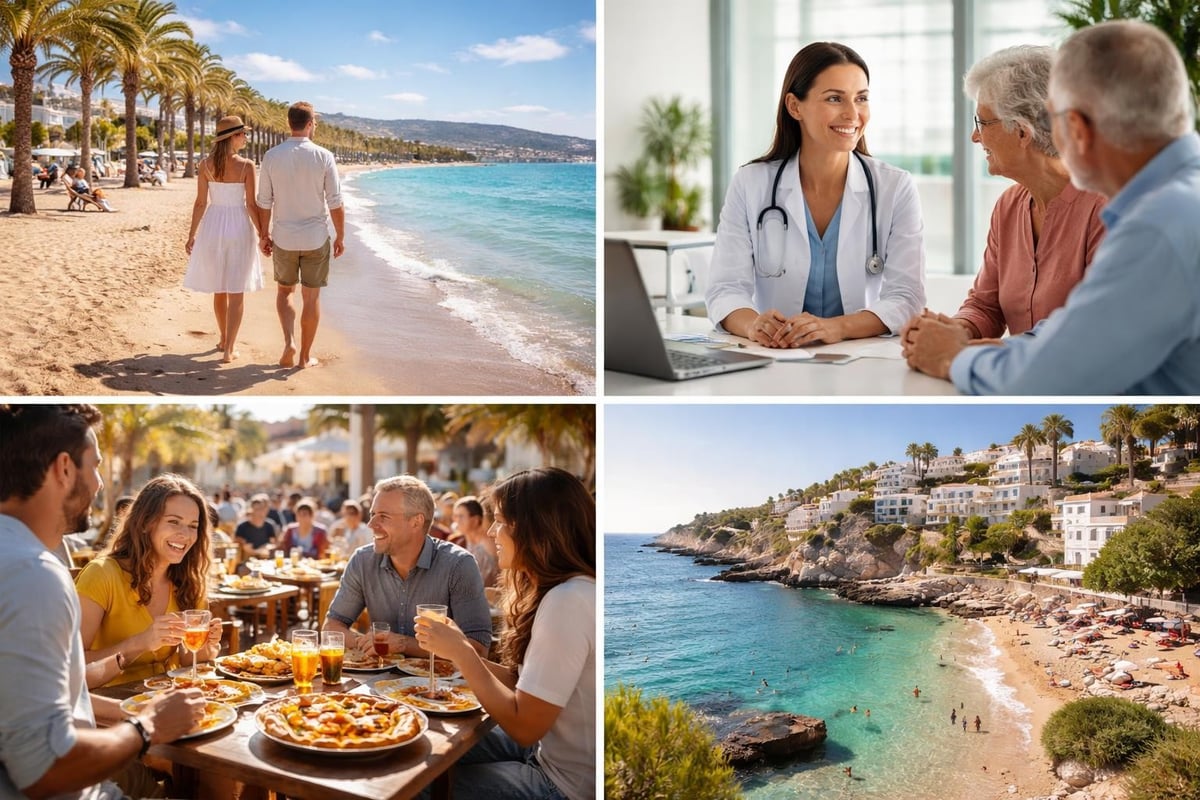
The Mediterranean climate provides over 300 days of sunshine annually in many regions, creating ideal conditions for outdoor activities year-round. This weather advantage extends beyond simple enjoyment; it contributes to better physical health, mental wellbeing, and an active lifestyle that many find transformative after relocating from northern European climates.
Cultural Integration and Lifestyle Advantages
Spanish culture emphasizes work-life balance, family connections, and community engagement. The traditional siesta, whilst evolving in modern business environments, reflects a broader cultural philosophy that values rest and personal time. Evening paseos (strolls), extended family meals, and vibrant festivals create a social fabric that welcomes newcomers.
Key cultural aspects that enhance expat experiences:
- Strong emphasis on family and community relationships
- Rich culinary traditions with regional variations
- Numerous festivals and celebrations throughout the year
- Outdoor dining culture that extends socializing opportunities
- Welcoming attitude towards international residents
Language remains an important consideration. Whilst many Spaniards speak English, particularly in tourist areas and major cities, learning Spanish significantly enriches your experience. Even basic conversational skills open doors to deeper community connections and practical advantages in daily transactions.
Practical Considerations for Establishing Residency
Moving to any new country requires careful planning and understanding of administrative requirements. The comprehensive resources available through Expat.com provide valuable insights into various aspects of relocation, from initial visa applications to long-term residency permits.
Visa and Residency Requirements
EU and EEA citizens enjoy freedom of movement, requiring only registration at the local town hall (empadronamiento) after three months. Non-EU nationals have several pathways available:
Visa Type | Requirements | Typical Processing Time |
|---|---|---|
Non-Lucrative Visa | Proof of income (€28,800+ annually) | 1-3 months |
Golden Visa | Property investment (€500,000+) | 2-4 months |
Digital Nomad Visa | Remote employment contract | 2-3 months |
Retirement Visa | Pension documentation | 1-3 months |
Recent legislative changes have made Spain more accessible to international residents. As reported by AP News, Spain's immigration reform in early 2026 demonstrates the country's progressive approach to integration, potentially granting legal status to hundreds of thousands of residents.
Healthcare, Education, and Daily Living Costs
Spain's healthcare system ranks among Europe's finest, offering both public and private options. Residents contributing to social security access comprehensive public healthcare, whilst many expats choose private insurance for additional convenience and English-language services.
Healthcare access options:
- Public system (free at point of use for contributors)
- Private insurance (€50-150 monthly per person)
- Mixed approach (public coverage with private supplements)
Education opportunities cater to diverse needs. International schools throughout coastal regions offer British, American, and International Baccalaureate curricula, whilst Spanish state schools provide excellent education for families seeking full cultural immersion.
Financial Realities of Living Spain
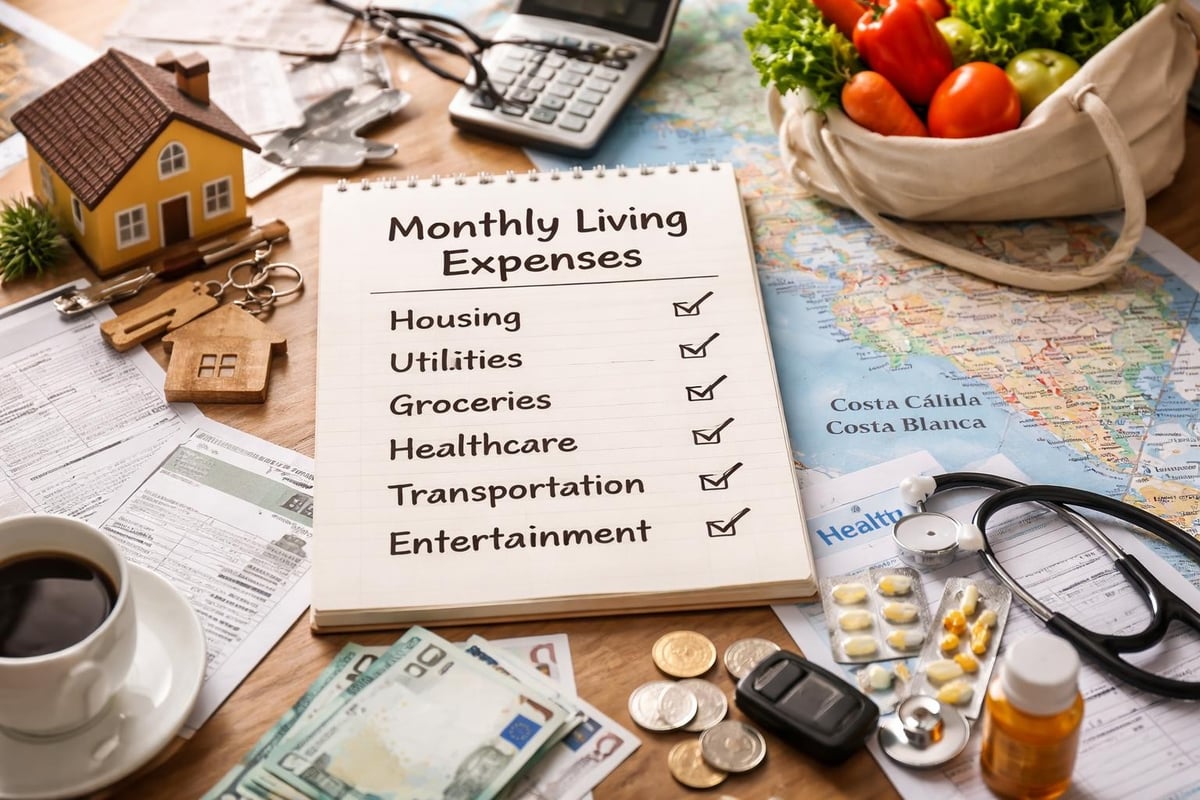
Living costs vary significantly by region. Coastal areas popular with international residents generally cost more than inland provinces, yet remain affordable compared to northern European countries. William Russell's comprehensive guide provides detailed breakdowns of expected expenses across different categories.
Monthly budgets for comfortable living:
- Single person: €1,200-1,800 (excluding rent)
- Couple: €2,000-2,800 (excluding rent)
- Family of four: €3,000-4,200 (excluding rent)
These estimates include groceries, utilities, transport, dining out, and entertainment. Property costs depend heavily on location, with coastal areas commanding premium prices for sea views and beach proximity.
Property Ownership and the Spanish Real Estate Market
The property market in Spain offers diverse opportunities, from modern apartments in coastal developments to traditional village houses and luxury villas. Understanding the purchasing process, legal requirements, and ongoing costs ensures successful property ownership.
Tax considerations for property owners include annual property tax (IBI), wealth tax for high-value estates, and income tax on rental properties. Expatica's resources provide detailed information on navigating Spanish bureaucracy and property-related obligations.
Regional Variations Along the Spanish Coast
The Costa Blanca and Costa Cálida each offer distinct advantages. Costa Blanca, stretching from Dénia to Pilar de la Horadada, provides varied landscapes from mountainous terrain to sandy beaches, with established expat communities and excellent infrastructure. Costa Cálida, encompassing the Murcia region, offers warmer winters, less touristy areas, and often more competitive property prices.
Both regions benefit from international airports, modern healthcare facilities, and well-developed amenities catering to international residents. The choice between them often comes down to personal preferences regarding climate, community size, and proximity to specific activities.

Integration, Community, and Long-Term Success
Successful adaptation to living Spain extends beyond administrative formalities. Building social connections, understanding local customs, and participating in community life contribute significantly to long-term satisfaction. Many coastal areas host active expat groups, language exchange programmes, and social clubs that facilitate integration whilst maintaining international connections.
Strategies for successful integration:
- Enrol in Spanish language courses immediately upon arrival
- Join local clubs or associations aligned with your interests
- Participate in neighbourhood and municipal events
- Establish relationships with local shopkeepers and service providers
- Volunteer within your community to build meaningful connections
The digital age has made maintaining ties with your home country easier whilst embracing Spanish life. However, The Spain Times highlights that those who invest effort in genuine cultural integration report significantly higher satisfaction levels than those who remain exclusively within expat bubbles.
Tax residency becomes automatic after spending more than 183 days annually in Spain. This triggers obligations to file Spanish tax returns and potentially pay taxes on worldwide income. ETIAS.org's guidance explains the residency requirements and tax rates that apply to different income levels and situations, helping you plan financial arrangements appropriately.
Living Spain offers exceptional opportunities for those seeking Mediterranean lifestyle, quality healthcare, and vibrant cultural experiences along the stunning Costa Cálida and Costa Blanca coastlines. Whether you're ready to begin your property search or need expert guidance through every step of the relocation process, Bognár Estates provides personalized support seven days a week, connecting you with experienced real estate agents, lawyers, and mortgage advisors who make your Spanish dream home a reality.
Deel