






Buying a Villa in Spain: Your Essential Guide for 2026

Sunshine, golden beaches, and the timeless allure of the Mediterranean draw countless dreamers to Spain’s coastlines every year. For many, buying a villa in Spain is the ultimate lifestyle upgrade, offering a blend of relaxation, culture, and investment potential.
Spain continues to attract international property buyers, and villa sales are forecasted to rise by 12% in 2026. It is no wonder so many are considering making this dream a reality.
This guide provides a clear, step-by-step roadmap to help you avoid common pitfalls and secure your ideal villa. You will discover the latest market trends, essential legal steps, financial considerations, region comparisons, and insider tips for a seamless experience.
Whether you are researching, negotiating, or preparing to receive the keys, you will be empowered to confidently navigate buying a villa in Spain for 2026.
Understanding the Spanish Property Market in 2026
Spain’s property market in 2026 remains vibrant, with coastal regions such as Costa Blanca and Costa Cálida continuing to attract strong interest. For those considering buying a villa in spain, recent data shows that demand for villas is especially high, driven by the allure of Mediterranean living and robust investment potential.
Average villa prices increased by 8% in 2025, and forecasts suggest this growth will persist throughout 2026. According to the Spanish Land Registry, non-residents account for over 16% of all property transactions, highlighting the international appeal of Spanish real estate. For a deeper dive into the latest trends and expert analysis, explore the 2026 Spanish Property Market Report.
Timing your purchase is crucial. The spring and autumn months typically offer the best balance between property availability and value. Key drivers shaping the market include lifestyle migration, remote work flexibility, and attractive returns for investors.
Recent regulatory updates have introduced new tax reforms aimed at streamlining transactions for international buyers, making buying a villa in spain even more accessible. However, buyers should always remain informed of evolving legal requirements.
Regional differences are significant. Coastal villas usually command higher prices and greater competition, while inland and island markets offer more affordable alternatives. The table below outlines typical villa price ranges in popular regions:
Region | Average Villa Price (€) |
|---|---|
Costa Blanca | 250,000–600,000 |
Costa Cálida | 180,000–400,000 |
Costa del Sol | 400,000–1,000,000+ |
A recent example illustrates the market’s competitiveness: a British family secured a villa in Alicante after facing bidding wars from other international buyers. Their experience underscores the need for swift decision-making and thorough preparation.

Step-by-Step Guide to Buying a Villa in Spain
Navigating the process of buying a villa in Spain is more straightforward when you break it into clear, manageable steps. Here is a practical, step-by-step guide to ensure your purchase is smooth and successful.

Step 1: Defining Your Requirements
The first step in buying a villa in Spain is to clarify exactly what you need. Think about the ideal villa size, architectural style, outdoor space, and whether you want amenities like a private pool or sea views.
Set a realistic budget that includes not just the purchase price but also taxes, legal fees, and ongoing costs. It is essential to research local infrastructure, such as schools, healthcare, and transport links.
Checklist for must-have villa features:
- Number of bedrooms and bathrooms
- Outdoor areas (garden, terrace, pool)
- Proximity to amenities and transport
- Security and privacy features
By outlining these requirements, you ensure your buying a villa in Spain journey starts on solid ground.
Step 2: Property Search and Shortlisting
Begin your search using reputable online portals, local estate agents, and property exhibitions. Viewing properties in person is invaluable, but virtual tours can help narrow your options if you are overseas.
Watch for red flags, such as unclear ownership, structural issues, or incomplete paperwork. Focus on popular hotspots like Costa Cálida and Costa Blanca, where you can explore a variety of villas for sale in Costa Blanca to compare styles, prices, and locations.
Shortlisting properties that meet your criteria makes the buying process more efficient.
Step 3: Legal Checks and Due Diligence
Engage an independent Spanish property lawyer as early as possible. They will verify property ownership, ensure there are no outstanding debts, and confirm all planning permissions are in order.
Understanding the Nota Simple and consulting the land registry are vital steps to avoid legal surprises. Many buyers face issues with unregistered renovations or undisclosed debts.
A common pitfall when buying a villa in Spain is overlooking these legal checks. With professional guidance, you can proceed confidently.
Step 4: Making an Offer and Signing the Reservation Contract
Once you have found your villa, negotiate the best price using recent market data and local insights. In 2026's competitive market, acting quickly is crucial.
Typically, a reservation deposit of €3,000 to €6,000 secures the property. Review key contract terms, including any cooling-off period, before you sign.
Example timeline:
- Offer submitted and accepted
- Reservation contract signed (property taken off the market)
- Deposit paid
This structured approach keeps your purchase on track.
Step 5: Completing the Purchase
Arrange your mortgage, with non-residents often able to borrow up to 70% loan-to-value. Next, sign the private purchase contract, followed by the final payment.
Attend the notary appointment to transfer the title deed and register the property. Do not forget to pay all relevant taxes, such as ITP or VAT.
Here is a simple breakdown of purchase costs and fees:
- Taxes (ITP/VAT)
- Legal fees
- Notary and registration costs
Completing these steps finalises your buying a villa in Spain journey, ensuring you receive the keys with confidence.
Legal and Financial Considerations for International Buyers
When buying a villa in spain, understanding the legal and financial landscape is essential for a smooth purchase process. International buyers face various taxes and ongoing costs that require careful planning.
Key Purchase Taxes and Fees
Cost Type | Rate/Amount |
|---|---|
ITP (Resale) | 6–10% |
VAT (New Build) | 10% |
Stamp Duty | 1.5% |
Notary & Registry | 1–2% |
Ongoing costs include community fees, property tax (IBI), and home insurance. These recurring expenses can vary by region and property type, so factor them into your annual budget.
Securing a mortgage as a non-resident is possible, with most banks offering up to 70% loan-to-value. EU and non-EU buyers may face different documentation requirements. Currency exchange is another key consideration when buying a villa in spain, as rate fluctuations can impact your total outlay. Forward contracts and specialist brokers help manage this risk.
Spain offers the Golden Visa for high-value purchases, providing residency benefits. There are generally no legal restrictions on foreign ownership, but regulations may be updated. For a comprehensive overview of legal and tax obligations, consult the Legal and Tax Guide for Foreign Property Buyers in Spain.
Example: Cost Breakdown for a €400,000 Villa
Item | Cost Estimate (€) |
|---|---|
Purchase Taxes | 24,000–44,000 |
Notary/Registry | 4,000–8,000 |
Legal Fees | 2,000–5,000 |
Ongoing (annual) | 2,000–4,000 |
Professional legal and financial advice will help you avoid costly mistakes and ensure every document is in order before completion.
Choosing the Right Region: Costa Blanca, Costa Cálida, and Beyond
Selecting the ideal region is a pivotal step when buying a villa in spain. Each coastal area offers its own blend of scenery, lifestyle, and investment potential, so it is crucial to match your priorities with the right location.
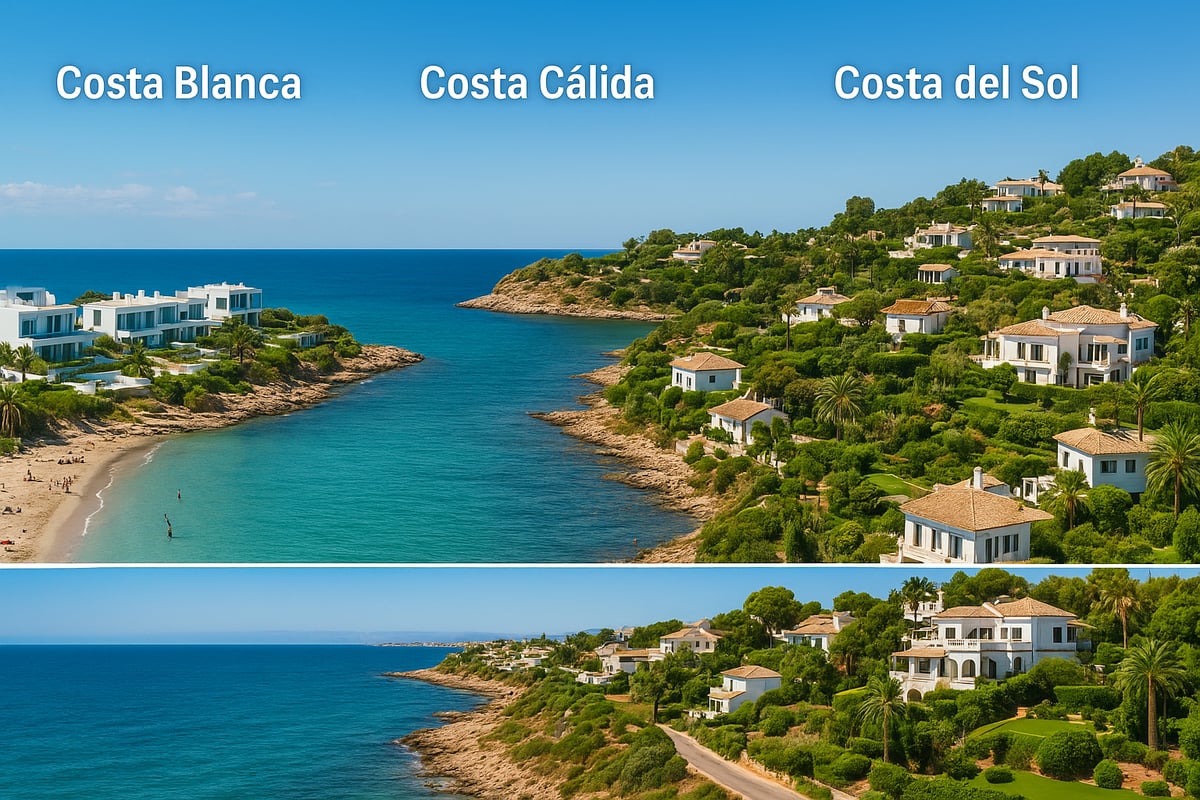
Costa Blanca is renowned for its white-sand beaches, vibrant expat communities, and a wide range of property styles. Villas here typically range from €250,000 to €600,000. The area attracts buyers seeking lively resorts, excellent amenities, and year-round sunshine. For those interested in modern architecture, the Modern design villa in Calpe exemplifies the contemporary options available in this sought-after region.
Costa Cálida, by contrast, is quieter and more affordable, with villas starting from €180,000. This region is growing in popularity among buyers looking for tranquil surroundings, authentic Spanish culture, and access to the Mar Menor’s unique microclimate. It is ideal for those prioritising peace and value over nightlife.
Costa del Sol is famous for its glamorous lifestyle, luxury marinas, and world-class golf courses. Average villa prices here are higher, reflecting demand and robust infrastructure. This region appeals to those seeking prestige, excellent services, and proximity to international airports.
Region | Price Range | Lifestyle | Accessibility |
|---|---|---|---|
Costa Blanca | €250k–€600k | Lively, expat hub | Alicante, Murcia |
Costa Cálida | from €180k | Tranquil, local | Murcia, Cartagena |
Costa del Sol | €350k–€1M+ | Glamorous, upscale | Málaga, Marbella |
Inland areas offer more space and traditional charm, often at lower prices, but may be further from airports and beaches. Coastal living provides easy access to amenities and sea views, but often at a premium.
When buying a villa in spain, it is wise to visit your shortlisted regions at different times of year. Assess local transport, healthcare, and neighbourhood ambience. Families often favour Costa Blanca for its schools and social life, while retirees may prefer Costa Cálida’s slower pace. Luxury buyers gravitate towards Costa del Sol’s exclusive enclaves.
Insider Tips for a Smooth Villa Purchase
Embarking on the journey of buying a villa in spain can be exciting yet complex. To ensure a seamless experience, preparation and local knowledge are key.
Here are essential tips to help you avoid common setbacks:
- Start early: Allow four to six months for the entire process.
- Assemble a local team: Engage a lawyer, estate agent, and tax advisor for expert support.
- Negotiate extras: Secure furnishings, appliances, or minor renovations as part of your offer.
- Review documentation: Ensure all contracts and permits are in order before transferring funds.
- Visit multiple times: Inspect the property and neighbourhood in different seasons.
- Stay updated on exchange rates: Consider forward contracts for large transfers and see Financial Planning for Buying a House in Spain for guidance.
- Join expat forums: Gain insights from recent buyers and local residents.
A British couple who purchased in 2025 shared that patience and thoroughness made all the difference, highlighting how these practical steps contributed to a smooth buying a villa in spain experience.
Share