




Gids voor tweede huis in Spanje: essentiële inzichten voor 2026
Dreaming of sandy beaches or searching for a smart investment? The appeal of second homes in Spain continues to grow, drawing both lifestyle seekers and savvy investors as 2026 approaches.
This guide is your trusted companion for navigating the world of second homes in Spain. Discover the latest market trends, understand who is buying and why, and get to grips with the tax and legal essentials that matter most.
Whether you aim to relax under the Spanish sun or build a lasting legacy, these insights will help you make informed choices. Ready to turn your dream into reality? Let’s explore the opportunities together.
The Evolving Second Home Market in Spain
Spain’s second home market is a significant force in the property landscape. Around 14.6% of all housing units are classified as second homes, with certain provinces surpassing 30%. This trend took off in the 1970s and 80s, as both local families and international investors began seeking holiday escapes.
When compared to other European countries, second homes in Spain are far more common. Spanish households own them at twice the rate seen in France (6.4%) and Italy (7.5%). Urbanisation and the influx of foreign buyers have further fuelled this growth, with recent years seeing a renewed interest from international purchasers. According to Foreign demand for second homes in Spain, sales to foreign buyers increased by 2% in 2024, with coastal regions particularly favoured.
The pandemic has shifted priorities, as more people seek flexibility in where and how they live. Remote work and the desire for extra space have made second homes in Spain more attractive than ever. Coastal towns and rural villages now appeal to both retirees and younger professionals looking for a change of pace.
Looking ahead to 2026, experts expect sustained growth, especially in areas with good transport links and digital infrastructure. Demographically, the market is dominated by urban dwellers, retirees, and a rising number of international buyers. Residents from Madrid and Barcelona often invest in coastal provinces for weekend and holiday escapes.
Second homes in Spain also play a key role in shaping local property values and real estate cycles. Increased demand boosts prices, impacts rental markets, and helps revitalise smaller communities, making these properties a dynamic part of the national housing sector.
Who Buys Second Homes in Spain? Ownership Profiles and Motivations
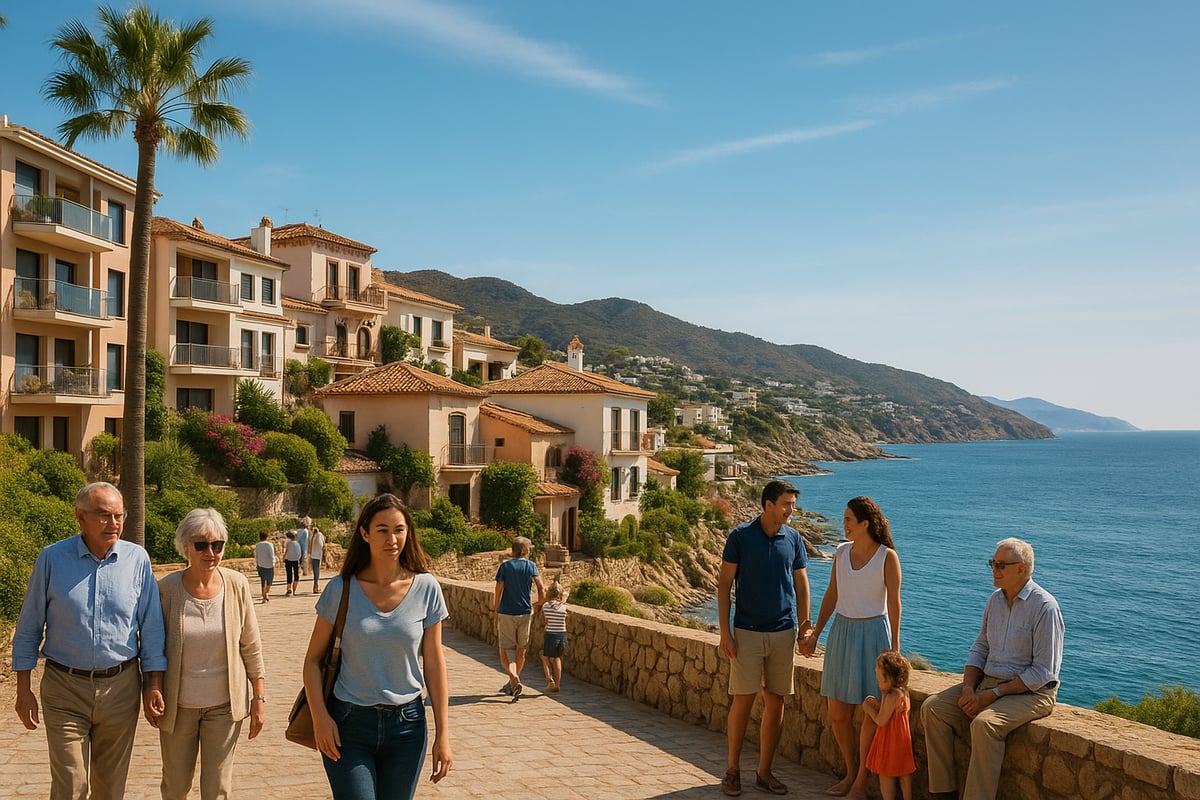
Who are the key buyers of second homes in spain? The market is primarily driven by Spanish middle-class families, urban professionals, and retirees seeking a sun-filled escape or a strategic investment. A significant proportion of buyers are also international, especially from the UK, Germany, the Netherlands, and Scandinavia.
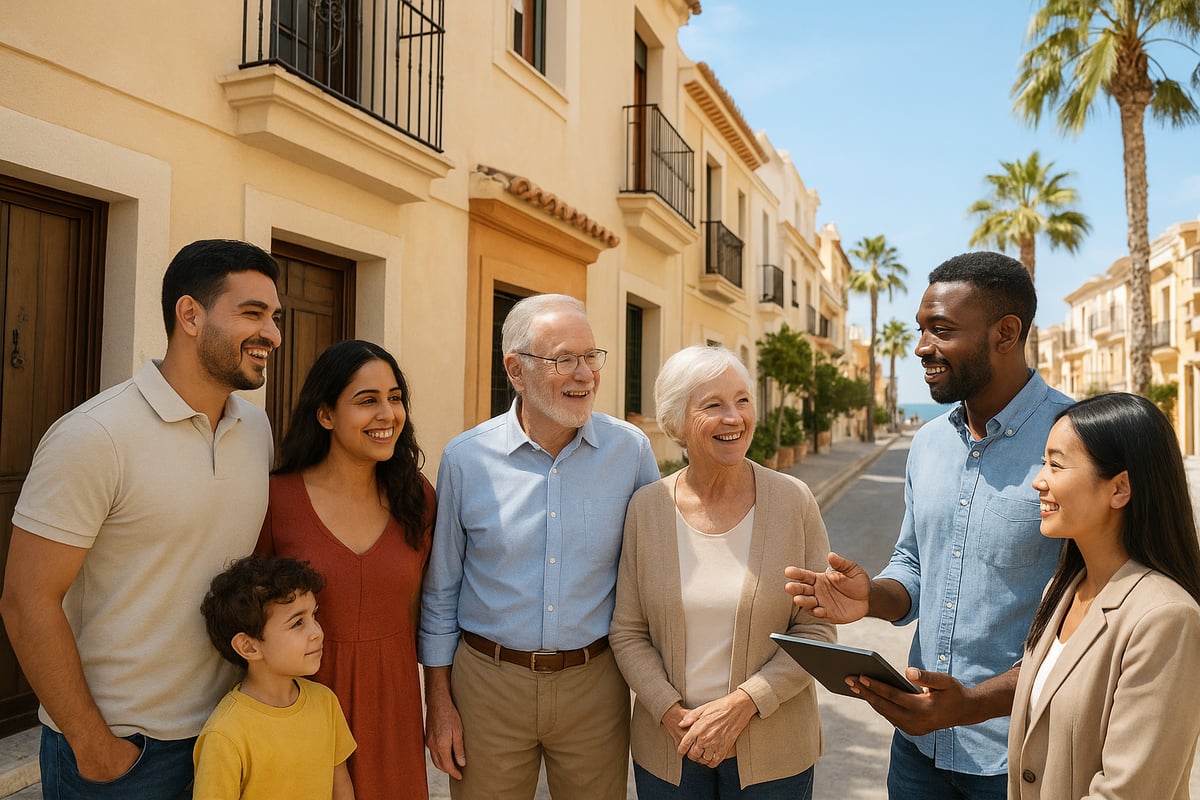
Many owners use their second homes in spain as holiday retreats or for retirement planning. Village homes inherited from family remain popular, reflecting the importance of heritage and tradition. According to recent data, 14.3% of Spanish households maintain a second property primarily for personal use, underlining the enduring appeal of these assets.
Motivations range from lifestyle upgrades and wealth accumulation to the potential for rental income and legacy planning. Urban residents, particularly those from Madrid and Barcelona, often purchase in coastal or rural areas for relaxation and investment. A notable trend is city dwellers retaining family village homes as second residences, preserving ties to their roots.
Foreign interest continues to rise, with buyers attracted to Spain’s climate, affordability, and quality of life. Many opt for properties in sought-after regions such as Alicante. For example, Alicante townhouse resale opportunities showcase the types of homes that appeal to both local and overseas buyers seeking a balance between enjoyment and financial return.
Owner Type | Main Motivation | Preferred Location |
|---|---|---|
Spanish families | Holidays, heritage | Coastal, village |
Retirees | Leisure, retirement | Rural, seaside |
International buyers | Lifestyle, investment | Costa Blanca, Alicante |
The blend of personal enjoyment and strategic investment makes second homes in spain a compelling choice for a wide range of buyers.
Where to Buy: Top Regions and Emerging Hotspots
Choosing where to invest in second homes in Spain is a crucial step. The country’s diverse landscape offers everything from vibrant coastlines to peaceful rural retreats, each catering to different lifestyles and preferences.
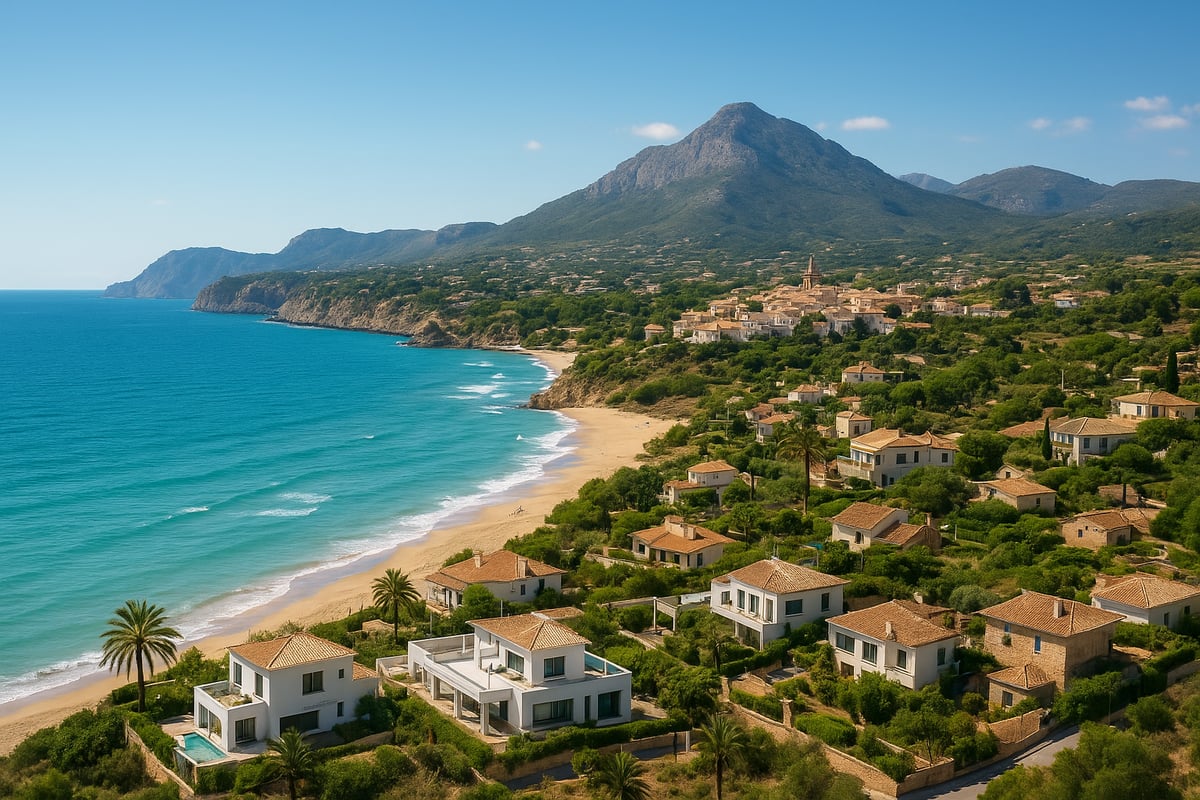
Coastal vs. Inland: The Classic Dilemma
When it comes to second homes in Spain, the classic debate is coastal relaxation versus inland serenity. Seaside destinations such as Costa Blanca, Costa Cálida, and Costa del Sol remain favourites for their sun-drenched beaches and lively communities. Alicante, Málaga, and Murcia consistently attract both Spanish and international buyers, and you can explore second homes for sale Costa Blanca to see why these regions are in such high demand.
- Beach living: water sports, nightlife, international communities
- Inland escapes: tranquillity, nature, traditional Spanish culture
Whether you seek vibrant coastal life or a quiet mountain retreat, Spain has it all.
Regional Trends and Investment Potential
Some provinces boast over 30 percent of properties as second homes in Spain, especially along the coast. Urban buyers from Madrid and Barcelona often choose locations with fast travel links for weekend getaways. Meanwhile, inland villages and eco-friendly developments are emerging as new investment hotspots, offering a blend of authenticity and value.
- Coastal towns: high rental demand, strong resale values
- Rural areas: lower entry prices, growing interest in sustainable living
Choosing the right region can greatly influence your property’s future value.
Infrastructure and Accessibility
Transport and connectivity are central to a rewarding second home experience. Access to airports, reliable digital infrastructure, and new transport projects can boost property values and rental appeal. For example, improved rail links have sparked demand in previously overlooked regions, making remote work and regular visits more convenient.
- Airports: proximity increases rental potential
- Rail connections: open up new destinations for buyers
- Digital access: essential for remote work and modern living
Prioritising accessibility ensures your investment remains attractive and practical.
Legal and Tax Essentials for Second Homeowners in 2026
Navigating the legal and tax landscape is crucial for anyone considering second homes in spain. Understanding the rules ahead of time helps buyers avoid costly surprises and ensures ongoing compliance. Let us break down the essentials for 2026, covering everything from annual taxes to practical strategies for maximising your investment.
Understanding Spanish Second Home Taxation
A second home in Spain is defined as any residential property that is not your main residence and is not used for business. Taxation differs based on whether you are a resident or non-resident. Non-residents pay imputed income tax on their property, calculated at 2% or 1.1% of the cadastral value, taxed at 24% for most, or 19% if you are from the EU or EEA. Both residents and non-residents must declare the property annually, ensuring transparency and legal compliance.
Key Taxes and Ongoing Costs
Owning second homes in spain involves several ongoing costs. The main local property tax, IBI, typically ranges from 0.4% to 1.3% of the cadastral value, with possible surcharges for owning multiple homes. Wealth tax applies to net assets over €700,000, with an extra €300,000 allowance for your main home, though rules vary by region. There is also a solidarity tax for total assets above €3 million. When purchasing, expect a transfer tax of 7%–10% for resales, or 10% VAT for new builds, plus notary and land registry fees.
Tax Type | Rate/Threshold | Applies to |
|---|---|---|
IBI | 0.4%–1.3% of cadastral value | All properties |
Wealth Tax | Over €700,000 net assets | Residents/non-residents |
Solidarity Tax | Over €3 million total assets | Residents/non-residents |
Transfer Tax (ITP) | 7%–10% (resales) | Buyers |
VAT | 10% (new builds) | Buyers |
Strategies to Optimise Tax and Legal Position
There are several ways to optimise your legal and tax situation with second homes in spain. Rental income may allow for deductions on mortgage interest, repairs, insurance, and management fees, especially for EU/EEA residents. Consider ownership structures such as co-ownership or holding companies, and review double taxation treaties to avoid paying tax twice as a non-resident. Regional rules can also impact your tax bill. For more details on non-resident taxation and the latest legal developments, see Spanish taxation of non-resident property owners.
Step-By-Step Guide to Buying a Second Home in Spain
Thinking about second homes in Spain? Here is a practical, step-by-step approach to make your purchase smooth and secure. Each stage is crucial for making a sound investment and enjoying your Spanish retreat.
1. Research and Shortlist Destinations
Start by exploring regions that suit your lifestyle and investment goals. Compare popular coastal areas like Costa Blanca with inland villages and urban centres. Review new build villas in Calpe, Alicante to get a sense of modern options favoured by second homes in Spain buyers.
List your preferences:
- Proximity to beaches or mountains
- Local amenities and healthcare
- Accessibility to airports and transport
Visit shortlisted areas to get a feel for each before making a decision.
2. Secure Financing and Budgeting
Assess your budget early, considering all costs involved with second homes in Spain. Explore mortgage products for both residents and non-residents. Factor in not just the purchase price but also ongoing costs like taxes, maintenance, and insurance.
Consider:
- Mortgage rates and eligibility
- Annual property expenses
- Contingency funds for repairs
Getting pre-approval can strengthen your position when negotiating.
3. Legal Due Diligence and Documentation
Obtain your NIE (foreigner identification number) to legally purchase property. Verify all property documents, including land registry and compliance certificates. Engage a qualified lawyer to review contracts and ensure your interests are protected.
Key steps:
- Title search and registry check
- Review of property plans and permits
- Legal advice on contracts
This ensures transparency and safeguards your investment.
4. Purchase Process and Key Steps
After selecting your property, make an offer and sign a reservation agreement. Pay the deposit to secure your chosen second homes in Spain. The next stages include notary signing, settling payments, and registering the property.
Typical steps:
- Reservation and deposit
- Signing at notary office
- Land registration
Maintain clear records and timelines for each milestone.
5. Post-Purchase Management and Rental Options
Set up utilities, local taxes, and property insurance promptly. If you plan to generate income, consider letting your property for short- or long-term rental. Engage local property managers to handle maintenance and compliance, ensuring your second home remains a valuable asset.
Regular reviews of rental performance and legal obligations will keep your investment secure.
Expert Support for a Seamless Second Home Purchase
Navigating the complexities of second homes in spain requires more than just property listings. Whether you are seeking a holiday retreat or a long-term investment, local expertise can make all the difference. Trusted support ensures you avoid costly mistakes and secure a property that truly meets your needs.
Personalised Guidance from Local Experts
Working with experienced real estate professionals gives you a significant edge when searching for second homes in spain. Local agents know the nuances of each region, from Costa Blanca to Costa Cálida, and provide tailored advice throughout the process.
- End-to-end support covers property search, legal checks, tax planning, and mortgage guidance.
- Multilingual teams assist international buyers at every stage.
- Ongoing after-sales care ensures you settle in smoothly and manage your property effectively.
Choosing expert guidance helps buyers feel confident and secure from start to finish.
Bognár Estates: Your Partner for Carefree Living in Spain
Bognár Estates specialises in assisting clients with every aspect of buying, selling, or renting second homes in Spain. Their focus on Costa Cálida and Costa Blanca means you benefit from deep local insight and a broad property portfolio.

An integrated team of agents, lawyers, and mortgage advisers is available seven days a week. Clients receive personalised, multilingual service, ensuring a seamless experience for international buyers searching for their dream home in Spain.
Deel